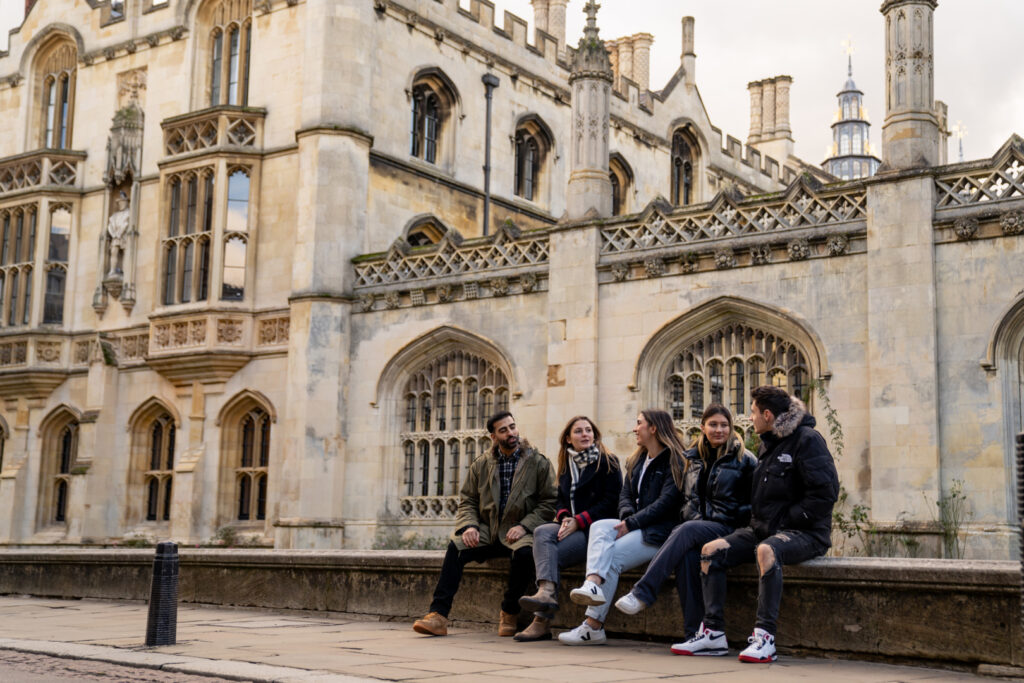

Is it easy to make friends when you learn English abroad?
One of the biggest worries students have before studying English abroad isn't the lessons, the flights, or whether they'll...

For a long time, language travel has been associated with gap years, university students and ambitious young professionals. That picture is changing.
Today, more adults in their 50s, 60s and older are choosing to learn English abroad, and for many, it has little to do with career goals. Instead, it’s all about seeing more of the world, connecting with new people from different cultures, and enjoying the satisfaction of learning something new.
Studying English overseas offers a different kind of travel experience. Rather than rushing from one attraction to the next, it gives you the chance to get comfortable in a destination, get to know the local culture, and build confidence using English in everyday situations.
Learning English feels very different when you’re doing it for yourself. There’s no pressure to prepare for university, meet workplace requirements, or achieve a particular score. Here, the focus is on practical communication and enjoying the adventure.
Whether you’re ordering lunch, chatting with classmates over coffee or joining a guided tour, you’ll have lots of opportunities to practise English throughout the day. Progress happens naturally because you’re using the language in real situations, not just studying it in a classroom.
Many mature learners also discover that their life experience becomes an advantage. Conversations are often more lively, with people bringing different perspectives, stories, and interests to class discussions.
A language course can change the way you experience a destination. Instead of simply visiting a place, you start to become part of daily life there. You learn the rhythms of the city, find your favourite café, chat with local people and uncover places that many tourists never see.
A typical day might begin with English lessons and end with a walk through a vibrant neighbourhood, a visit to a local market, or dinner with new friends from around the world.
And the learning doesn’t stop when class ends. Every interaction becomes an opportunity to build confidence and deepen your understanding of the culture around you.
Ask mature learners what they remember most about studying abroad, and the majority will say it’s the people they met and memories made.
Language courses bring together adults from different countries and backgrounds who share a sense of curiosity and a willingness to try something new. Some arrive with years of travel experience. Others are finally following a long-held dream.
What they often have in common is a desire to make the most of this stage of life.
Shared experiences quickly turn strangers into friends, whether that’s exploring a city together, joining organised activities or simply spending time talking after class. Many learners stay in touch long after their course ends, and some even plan future trips together.

Trying something new can be rewarding at any age. Research has shown that lifelong learning can support cognitive engagement and overall wellbeing, but the benefits go beyond that. There is a genuine sense of achievement that comes with developing a new skill, particularly in a completely different environment.
For some people, studying English abroad is a chance to travel more independently. For others, it’s a chance to revisit a passion for learning that has been waiting patiently in the background for years.
Many language students are looking for much more than a standard holiday. Learning English abroad combines travel, culture, and personal development in a way that few other experiences can. Your days are filled with new conversations, new places, and new experiences, while still leaving plenty of time to relax and enjoy your surroundings, whether that’s on the beach or at a stunning art gallery.
When the trip ends, you return home with more than photographs and souvenirs. You’ll have improved your English, gained confidence and created memories that continue to shape future travels.
Choosing the right destination is an important part of the experience, and Malta continues to attract mature learners from around the world looking for English courses in Malta for adults.
English is one of the country’s official languages, making it easy to practise what you’ve learned outside the classroom. The island also offers a unique blend of Mediterranean lifestyle, fascinating history and welcoming atmosphere.
You can spend your free time exploring the streets of Valletta, enjoying coastal walks, discovering local restaurants or visiting historic sites that tell the story of Malta’s rich past.
With plenty of sunshine, friendly locals, and a relaxed pace of life, it’s easy to see why so many mature learners choose Malta as their study destination.
Language learning doesn’t belong to any particular age group. In fact, many adults find that studying abroad becomes even more rewarding later in life, when there’s more freedom to travel and more opportunity to learn simply for the pleasure of it.
Combining English lessons with cultural experiences, meaningful conversations and new friendships creates a journey that’s about far more than language skills alone.
If you’re looking for a travel experience that offers discovery, connection and personal growth, learning English abroad after 50 could be the adventure you’ve been waiting for.

EC Escapes is an English programme designed specifically for adults aged 50 and over who want to improve their English while enjoying immersive cultural experiences. Alongside lessons, you’ll take part in a carefully planned programme of activities and excursions, creating a wealth of opportunities to explore a destination and connect with fellow travellers from around the world.
Discover EC Escapes and start planning your next adventure.
Not at all. Language schools around the world welcome learners in their 50s, 60s and beyond. Many mature learners thrive in an international learning environment and enjoy combining language study with travel and cultural experiences.
Studying English abroad allows you to improve your language skills while exploring a new destination. Many learners value the opportunity to meet people from different countries, experience local culture and gain confidence using English in everyday situations.
No. Most English language schools offer courses for a wide range of levels, from beginner to advanced. You’ll be placed in a class that matches your current ability and learning goals.

Did you like this article? Share it!