
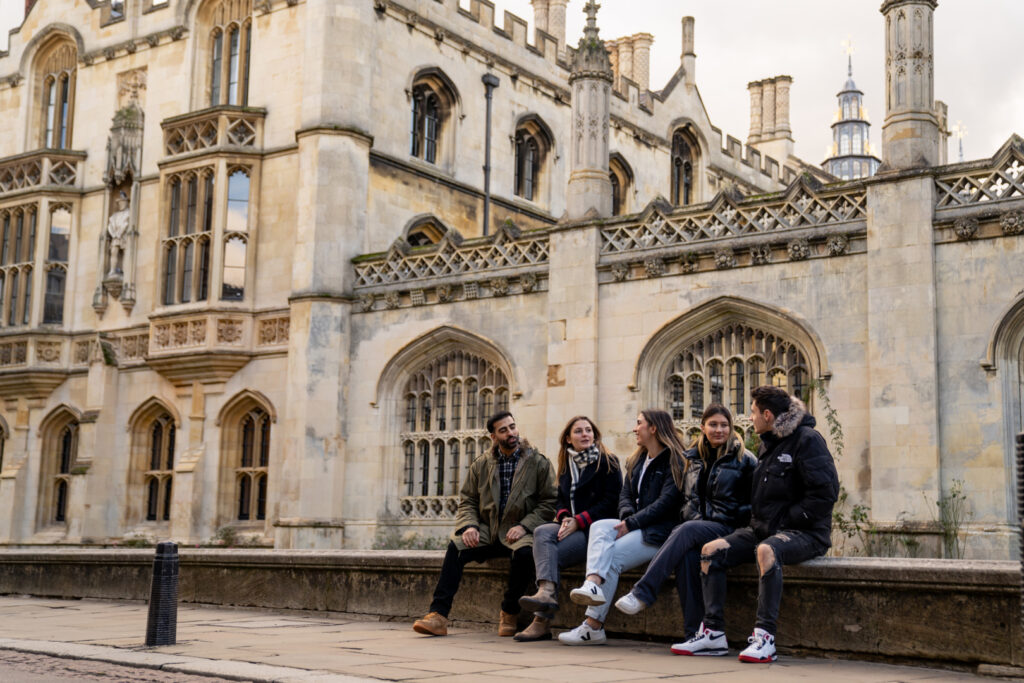
Inside EC Cambridge: English courses, student experience and life in the city
Are you thinking about English courses in Cambridge? In this spotlight, we’ll take you inside EC Cambridge to show...

Learning English abroad changes people’s lives. It lets you experience a new culture and a new way of life. And, best of all, it’s the quickest way to learn the language. It also builds confidence and helps you see the world in a new light.
Did you know that the global English-learning market is expected to reach $91.1 billion by 2031. This highlights the growing importance of English worldwide. In 2023, nearly 6.9 million students studied abroad, up from 2.1 million in 2000. You really don’t want to get left behind, so let’s see how you can make the most of your time abroad to achieve the best results.
Choose to learn English abroad for language growth and personal growth. Studying overseas means you’re surrounded by English 24/7, which helps you adapt and learn quicker. Every interaction you have is a chance to learn. Hearing, speaking, reading, and writing English every day helps you grasp the language faster than classroom learning alone. Plus, studying abroad builds resilience, flexibility, and a wider perspective. These are skills that matter more than ever in today’s connected world.
Maximising your potential abroad is about learning to communicate better, understanding other cultures, and feeling more confident. You also learn how to solve problems and deal with new situations.
When you study abroad, you become more open and flexible. You learn how to live and work with people from different countries. For example, 96% of students say they feel more confident after studying abroad. This confidence comes from facing new situations and challenges. Also, 84% of former students say their experience helped them build skills for work. This shows that studying abroad can help your future career.

Good preparation is your foundation for a successful study abroad experience. Make sure you are aware of all your options because jumping into a full-immersion experience without a plan could make you feel frustrated and it could lead you to missing opportunities that could have been yours. Make thinking ahead your first step. Doing research and getting mentally ready mean you start strong when you arrive.
The first stage is, before you leave your home country, think carefully about what you want to achieve. Are you studying for university, for conversational fluency in daily life, or English for work? Having clear goals and objectives will give you focus and direction.
Consider destinations (cities and countries) that align with your learning goals. Perhaps if business is your focus a location like London or New York are inspiring choices. For an academic atmosphere, Boston and Cambridge may be more suitable.
There are a lot of English language schools to choose from, so you’ll want to see which is best for you. Make sure you are getting the best return on your money and time. Look into their teaching methods, premises, facilities, nationality mix, student support, social programmes and the accommodation they provide.
Make time before you leave home to brush up your English. While you will improve on your study abroad trip, you want to make sure you have a solid base before you leave to make the most of your experience and not waste any time ‘catching up’.
Hit the ground running by reviewing grammar rules, common phrases, and essential vocabulary. Focus on the language you’ll use when you travel abroad, e.g., making introductions, small talk, and ordering food (these are the things you will be doing from day one).
Use language learning apps or take online English classes to refresh your knowledge. Ideally you should practise speaking as this is the skill which most students are less confident about.
Get familiar with English phonetics if pronunciation is one of your main concerns, and practice basic conversations. Having a basic ‘toolkit’ will reduce anxiety and allow you to speak more confidently from day one.
As much as studying English abroad is an amazing experience, it can also be challenging. You may not know what to expect and you are entering a whole new environment. Prepare yourself for living in a new country and the possibility of culture shock.
Culture shock is the feeling of being confused, anxious, or nervous when you move to a new country or environment. It happens because everything is different, from the language and food to the way people behave.
It’s common to feel confused or frustrated when you experience new customs and social rules, especially when you are not a confident communicator. Learn about your destination’s culture and the stages of culture shock. Be patient, keep an open mind and stay positive! See challenges as chances to learn and grow. Being ready will help you adjust more easily during your time abroad.

Immersion starts as soon as you arrive! This exciting stage is about engaging with your new surroundings and making the most of every chance to practice and improve your English. It means getting out of your comfort zone and enjoying the learning process!
Our best advice for learning English abroad is: start speaking on day one!
Don’t use your native language or mix too much with people from your own country. Every little conversation is a chance to practice. Don’t worry about mistakes; mistakes are a natural part of learning. See them as helpful feedback. This active approach will speed up your learning, improve your confidence, and help you connect with locals and schoolmates.
You study English abroad to use English in your daily life. To make the most of your time abroad, get involved in the local community: talk to people at cafes and chat with shop owners. There will always be opportunities to practice English as long as you make the effort. You can also listen to local radio, watch TV shows, and try to notice the little details of everyday speech. All of these will help you learn slang, idioms, and the way English is spoken in your chosen destination. This is a helpful way to improve your listening, fluency and understanding. Ordering your morning coffee and croissant, is the best (and most delicious) way to learn!
Your English classes isn’t the only place to learn, the outside world is a classroom too! Treat every interaction and experience as a chance to learn.
Visit markets, museums, and festivals: these are all great opportunities to practice and learn about culture.
Tip: When you hear a new word or phrase, write it down and look it up later. If a grammar point confuses you, ask your teacher. Using English this way helps you remember what you learn in class and makes the language real and useful.
Feeling homesick is normal when you study abroad. Acknowledge it and find ways to cope. Stay in touch with family and friends back home, but also get involved in your new environment and make friends. To stay motivated, review your goals, celebrate small achievements, and remember how much this experience can change you. Balancing staying in touch with family and friends at home while enjoying your new life is important for a happy, successful time abroad.
Remember that most language students go abroad on their own. What you feel, most students feel. And because everyone travels alone, everyone is looking to make new friends. Make the effort to talk to other students, they will be happy to meet and get to know you!

This stage is about looking for and creating opportunities to use English. It means turning what you know into real skills. This is when you move from just understanding to actually using and engaging with the language.
Making friends with native English speakers is ideal. Find language exchange partners, join university clubs, or attend local events. These connections give you chances to talk in relaxed settings.
Spending time with friends abroad helps you learn about their culture and how they communicate. Asking questions about their language and home country helps you learn and shows you care, which builds stronger friendships and better practice.
Everyday activities are chances to practice English. When you eat out, chat with your server. If you’re travelling, start conversations with other travellers or locals. Even simple tasks like grocery shopping can be learning moments when you ask about products or local foods. These little chats help you learn useful words and different ways people speak English. For example, talking about menu items or asking for directions lets you use specific vocabulary and sentences. Every interaction helps you improve and feel more confident.
Good communication depends on good listening skills. When talking with native speakers, don’t just focus on individual words but try to understand the whole message. Listen for intonation, stress, and rhythm because they convey the speaker’s meaning and feeling.
If you don’t understand something, always ask for clarification. Expressions like “Could you repeat that, please?” or “What does that word mean?”
For independent study (home or abroad), you should always be listening to English podcasts.
We all love learning new words. The key is not to memorise them alone (you don’t want a long list of single words). Learn the word by writing it in a full sentence or using it in a sentence straight away. Focus on how vocabulary, grammar, and pronunciation work in real conversations.
When you notice a grammar pattern native speakers use often, try to incorporate it in your speech.
For pronunciation, listen to how native speakers say sounds and practice copying them. It may feel weird at first, but recording yourself and comparing it to native speakers can help you correct mistakes. As you progress, it’s motivating to go back and listen to old recordings to see how much your speaking has improved.

This stage focuses on improving your language skills. As you ability and confidence grow, you move towards greater fluency, and develop a sophisticated understanding of the nuances of the English language.
To make learning fun, use English in your hobbies and interests. If you like reading, try English books, articles, or blogs about your favourite topics. If you enjoy movies, watch them in English. Start with subtitles, then try without. Join online English communities or local groups where people discuss your interests in English. This makes learning fun and easier to stick with because you’re working with things you enjoy. For example, reading local authors or chatting with friends about books can boost your vocabulary.
Language and culture go hand in hand. To speak English fluently and communicate well, it’s important to understand idioms, slang, and cultural references. Watch how native speakers use these in different situations. Don’t be afraid to ask friends or language partners to explain them.
Cultural understanding also means noticing differences in how people communicate, their manners, and social rules. Knowing these details helps you avoid misunderstandings and helps you interact more respectfully.
The ability to self-correct is an important skill, especially amongst advanced learners. Please remember to:
This process of practice, feedback, and self-correction is essential for your development.

Your study abroad experience will end, but your language-learning journey should continue. This phase looks a how to maintain your progress, combat challenges, and keep developing long after you’ve returned home.
When you return home, it’s important to maintain the English skills you’ve worked hard to build. Keep using English regularly in conversation groups, online communities, or English language media. Take an online English course and think about finding work that involves English.
Did you know that many study abroad alumni see real career benefits? For example, some research has found that graduates who studied abroad can earn more on average within the first few years of their careers, though the amount depends on the country and industry.
Keeping your language skills sharp protects your investment and provides international opportunities and career growth.
Your journey to learn English abroad is a great experience. It can help you build a better future so:
You may have some problems at first. This is normal. These problems can help you grow.
The friends you make and the cultures you learn about are very important. They are as important as grammar and vocabulary.
In your new country, every conversation helps you. Eating in local restaurants helps you. Reading in English helps you. Step by step, your English and your confidence will improve.
Studying abroad can change your life. You will return with better English. You will also have a wider view of the world, more independence, and a better understanding of life.
Many students say they feel more confident after living in another country. In fact, 96% say their confidence improved. This happens because they learn to manage daily life on their own.
They also learn useful skills for work. For example, 84% of former students say studying abroad helped them build job skills. These skills can make you a stronger candidate in the job market. Keep learning and using these skills. They will help you in the future.
Learning English abroad is just the beginning of your journey. Keep your level up by finding ways to practice. Try online classes, find international environments, or, if possible, travel more.
Being able to communicate well in English unlocks new possibilities and set you up for a better life.
Enjoy your language learning journey and keep up the good work.
If travelling abroad to learn English isn’t possible right now, or if you’re planning a future trip and want to brush up first, you might be interested in live online English lessons with students from all over the world, taught by real teachers. Our online English school, EC Live, offers courses for all levels. Sign up for a free lesson here and try it for yourself.
Live online English classes for continuous learning.

Did you like this article? Share it!